
- AI has solved advertising's production bottleneck — teams can now generate significantly more creative variations faster, and platform algorithms reward that diversity with better performance.
- The teams winning in 2026 aren't just using AI for volume — they're running tight creative loops: generate variations, test quickly, read signals, and feed winning patterns back into the next brief.
- The biggest risk is creative sameness — strong brief-writing, saved brand Elements, and genuine creative direction are what separate distinctive AI output from generic content.
Advertising has always been a volume and speed game — more creative variations, faster iteration, quicker response to what's working. For most teams, the production pipeline was the bottleneck. Not the strategy, not the ideas. The execution.
AI has changed that equation. According to Smartly's 2026 Digital Advertising Trends Report, 95% of marketers are now testing AI for creative production. The shift is no longer about whether to use AI in ad creation — it's about how to use it well enough to actually pull ahead.

Why AI Is Now Central to Ad Creation
The modern ad landscape demands something traditional production wasn't built for: scale with precision. Campaigns need to run across multiple platforms simultaneously, in multiple formats, with variations tested against each other in real time. A handful of hero ads and a single creative direction no longer cut it.
AI addresses this in three fundamental ways:
- Volume. Teams using AI for creative production consistently generate significantly more ad variations without increasing headcount or timelines. Where a traditional workflow might produce five creative executions per campaign, AI-assisted workflows can produce fifty — giving platform algorithms more to learn from and more shots at finding what resonates.
- Speed. Smartly's research found that 41% of marketers say it still takes three to four weeks to launch a digital campaign from asset creation to execution using traditional methods. AI compresses that window dramatically — from weeks to days, and in some cases hours.
- Performance. Campaigns using Dynamic Creative Optimization (DCO) — AI-powered creative variation and delivery — deliver a 32% higher click-through rate and 56% lower cost per click compared to static creative, according to StackAdapt's State of Programmatic Advertising 2026 report.
The underlying reason is structural. Major ad platforms are increasingly rewarding advertisers who give their systems more creative diversity to work with — more variations means more data, faster optimization, and better allocation of spend toward what actually performs.
Three in four marketers in Smartly's survey say they're concerned that AI-generated creative risks making brands look the same — which means the teams who bring genuine creative direction to their AI workflows will outperform those who treat it as a content machine.
How to Create Video Ads With AI
Video is the dominant format for paid advertising in 2026 — and AI has made it the most accessible it's ever been for teams without large production budgets.
Step 1: Define the brief before you generate The output of an AI video workflow is only as strong as the creative direction that goes into it. Before generating anything, define: the target audience, the core message, the emotional tone, the desired platform and format (vertical for TikTok/Reels, landscape for YouTube, square for feed), and the call to action.
This brief shapes every downstream decision.
Step 2: Generate your visual assets Start with image generation to establish the visual direction — characters, environments, product contexts, and brand aesthetic — before moving to video.
LTX Studio's image models (including FLUX.2 Pro, Nano Banana 2, and Z-Image) let teams rapidly explore visual concepts and lock in a direction before committing to generation. Save strong assets as Elements to maintain consistency across the full campaign.
Step 3: Build the storyboard Before generating video, map the ad's narrative arc in LTX Studio's AI Storyboard workspace. For a 15 or 30-second ad, this means defining each beat: the hook, the problem or promise, the product moment, and the CTA.
Seeing the flow in sequence reveals pacing and structural issues before any motion is generated.
Step 4: Generate the video With direction locked and storyboard approved, generate video using the model that best fits the creative goal. LTX-2.3 delivers fast, high-quality output for most ad formats.
Kling 3.0 Pro handles cinematic, narrative-driven spots with multi-shot generation and up to 15 seconds of video. Veo 3.1 is strong for photorealistic content. The right model depends on the job — and having all of them in one workspace means no context-switching mid-production.
Step 5: Add audio Use LTX Studio's Audio-to-Video feature to sync voiceover, music, or branded audio to the video — or generate video from an existing audio track.
For ads where the audio is the anchor (a script, a voiceover, a musical hook), this feature closes the gap between sound and vision without a separate production round.
Step 6: Export in the right formats Generate platform-specific versions — vertical for social, landscape for YouTube pre-roll, square for feed placements — within the same session. Consistent visual identity across formats is easier to maintain when everything originates from the same saved Elements and brand assets.
Creating Image and Static Ads With AI
Static and image-based ads remain high-volume workhorses across paid social, display, and search — and AI has made the production and testing of these formats faster than any other content type.
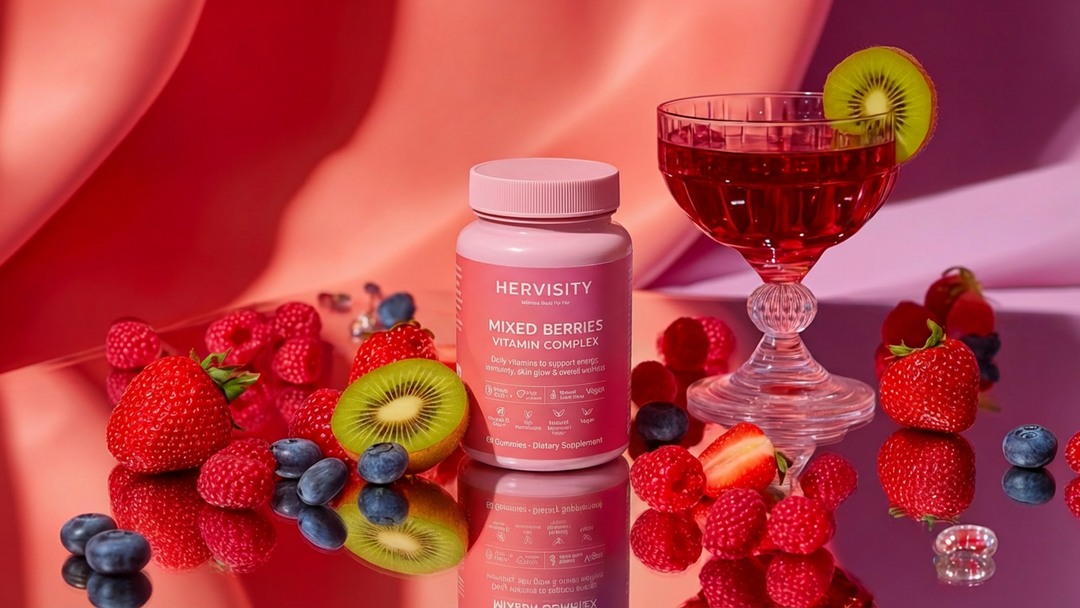
Product and brand imagery AI image generation tools can produce photorealistic product visuals, lifestyle imagery, and brand scenes without a shoot.
According to The Brief's State of Ad Creation 2026, product photography accounts for roughly 44% of AI prompts used in ad creation workflows — making it the single most common use case.
For image ad creation in LTX Studio, the approach mirrors video: establish the visual direction using image generation models, save brand characters and styles as reusable Elements, then generate variations across different contexts, compositions, and messaging angles without rebuilding from scratch.
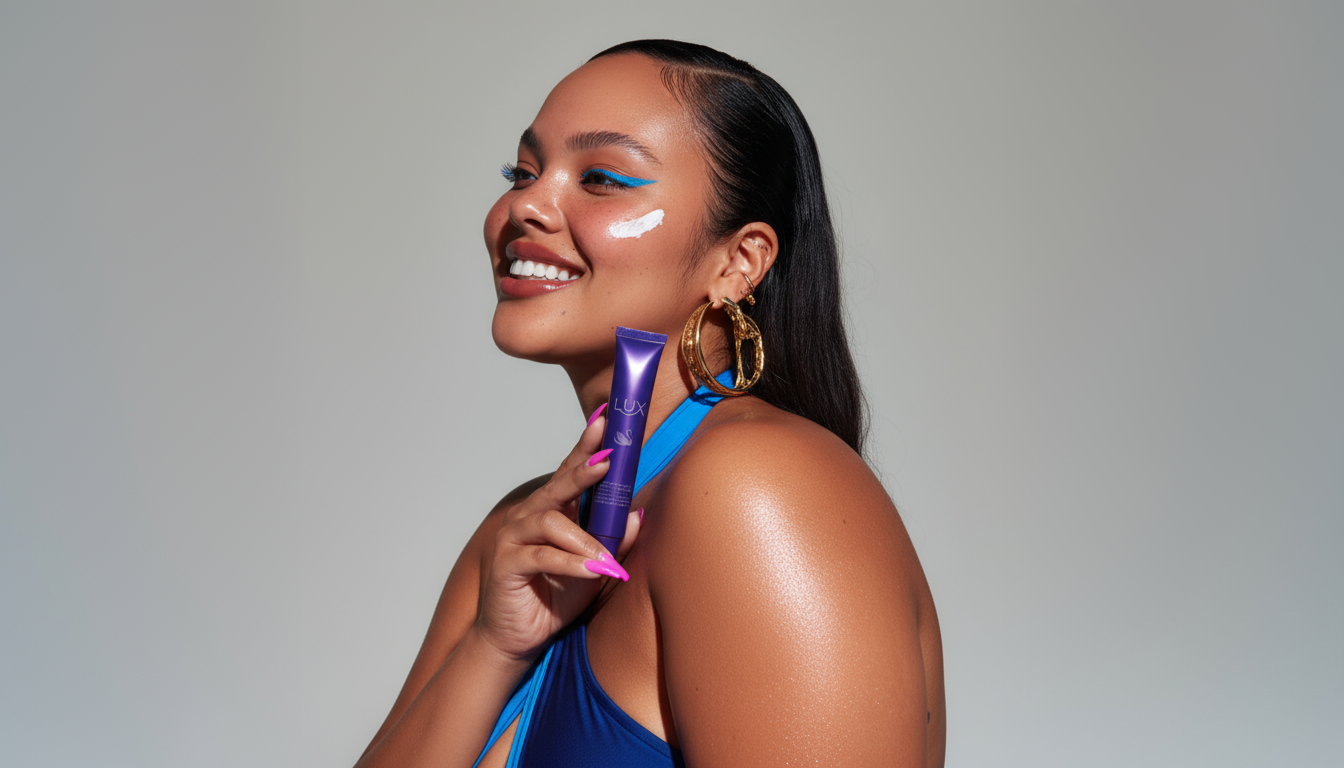
Generating creative variations at scale The biggest performance advantage of AI image generation for static ads is variation.
Instead of producing one hero image and running it across all placements, teams can generate multiple versions — different backgrounds, different product positions, different emotional contexts — and let platform algorithms identify which performs best with each audience segment.
Maintaining brand consistency The risk with high-volume AI image generation is inconsistency. LTX Studio's Elements feature addresses this directly — by saving characters, visual styles, and brand assets as reusable references, teams can generate at scale without visual drift across creatives.
Using AI to Test and Optimize Creative Automatically
Generating ads is only half the equation. How quickly you can identify what works — and feed those learnings back into the next round of creative — determines whether AI gives you a sustainable performance advantage or just faster mediocre content.
Build creative as a portfolio, not a bet The most significant mindset shift in AI-powered advertising is treating creative like a portfolio of hypotheses rather than a small set of hero executions.
Platform recommendation systems like Meta's GEM are designed to evaluate and redistribute spend across a range of creatives — teams that give the algorithm more structured variation to work with consistently outperform those running fewer, less varied ads.
Test sooner and at lower cost AI-powered A/B testing allows teams to evaluate creative performance earlier and more cheaply than traditional methods. Rather than committing full media budgets to untested creative, run structured tests with multiple AI-generated variations, identify signals quickly, and scale the winners.
Close the loop between performance and production The teams pulling the most value from AI ad creation in 2026 are the ones running a tight creative loop:
- Generate a structured set of variations (different hooks, different visual styles, different CTAs)
- Launch with a test budget across target audiences
- Read performance signals — CTR, completion rate, conversion — within the first 48–72 hours
- Feed winning patterns (visual direction, message framing, format) back into the next generation brief
- Repeat
This loop — generate, test, learn, generate — is what separates teams using AI for volume from teams using AI for performance.
Watch for creative sameness Smartly's 2026 research found that 86% of marketers have already seen AI outputs that resemble content from competitors. The risk of AI-generated creativity isn't low quality — it's homogeneity.
The solution is strong creative direction at the brief stage: specific visual references, defined brand voice, distinctive characters, and a clear point of view that gives the AI something to work with beyond a generic prompt.
Conclusion
AI hasn't made ad creation effortless — it's made it faster to execute, cheaper to iterate, and more data-driven to optimize.
The teams seeing the strongest results in 2026 are the ones who treat AI as a creative production system, not a shortcut: bringing real strategic and brand direction to every workflow, generating at scale with variation built in, and running tight creative loops that turn performance data into better briefs.
Before your next campaign, check:
- Is your brief specific enough to produce distinctive creative — not just fast creative?
- Are you generating enough variations to give platform algorithms meaningful diversity?
- Are your brand assets saved as reusable Elements to maintain consistency at scale?
- Do you have a test-and-iterate loop that feeds performance data back into production?
- Are you matching video format to platform (vertical for social, landscape for YouTube)?
If you can check all five, you're using AI for ads the way the best teams in 2026 are.


Maximize your creative potential with AI-powered tools
Maximize your creative potential with AI-powered tools





.webp)

.png)