

- The average creative project runs 5–7 revision rounds — most of them aren't improving the work, they're correcting the gap between what stakeholders imagined they approved and what actually got built.
- Working smarter means front-loading exploration, alignment, and iteration before production commits resources — early changes are fast and cheap, late changes cost 10–100x more.
- Tool fragmentation is what makes this hard: 10–15 tools across a single project means creative intent degrades at every handoff, and by the time the drift is visible, production is already locked in the wrong direction.
Every creative leader has been told to work smarter, not harder. Most have no idea what that actually means in practice.
It doesn't mean moving faster. It doesn't mean cutting corners. And it definitely doesn't mean adding another tool to your stack.
Working smarter means making better decisions earlier — and building a workflow that makes that possible.
The Effort Trap
Here's what most creative teams are actually doing: spending the majority of their time on coordination, revision management, and logistics, not on creating.
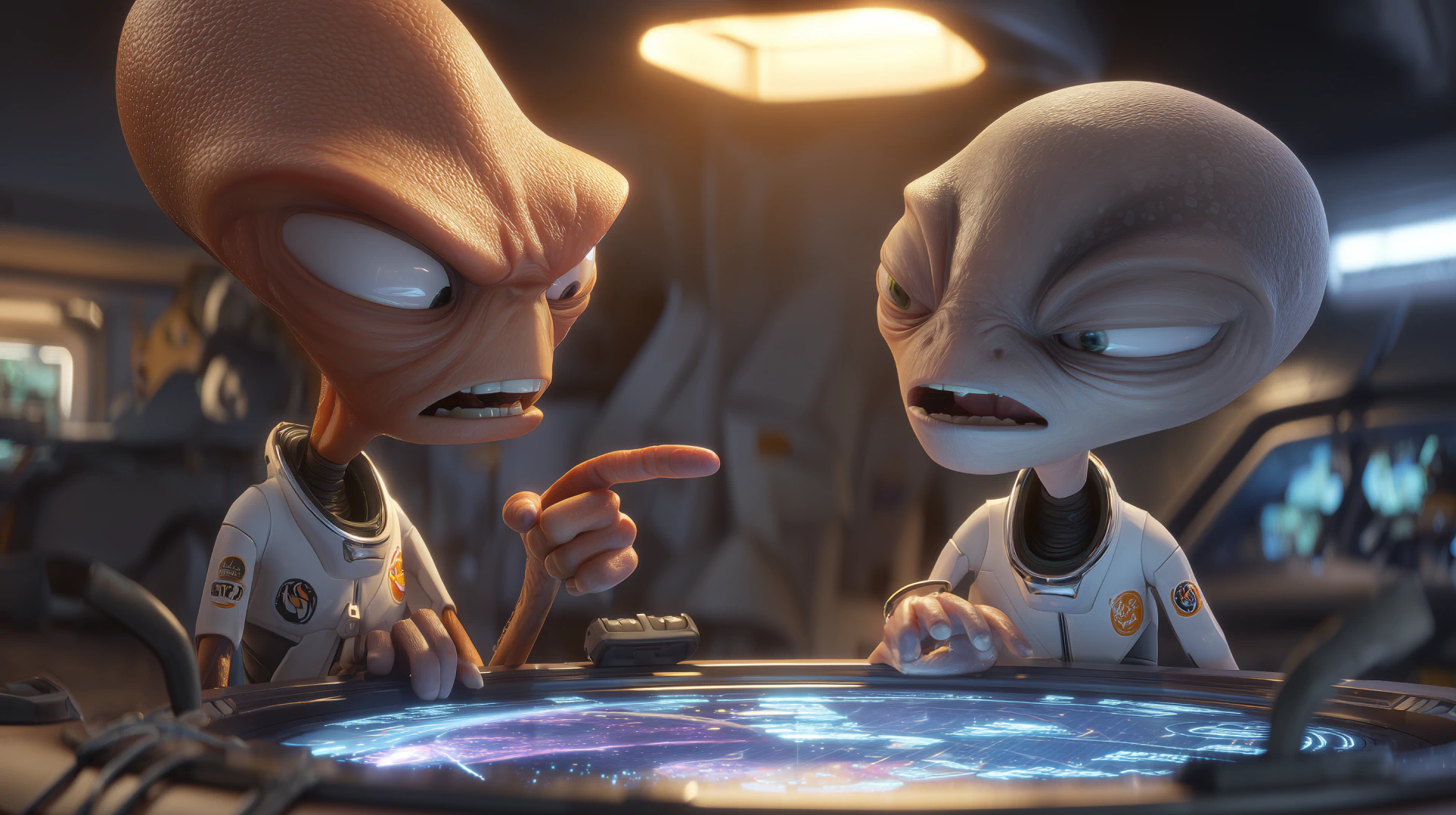
Think about your last project. How many of those revision rounds were genuinely improving the creative? And how many were correcting things that were always going to be wrong, because the people approving the concept were imagining something different from what the team was building?
The average creative project runs 5-7 revision rounds. Most of those rounds aren't about raising the quality. They're about fixing the gap between what stakeholders thought they approved and what actually got built.
That gap doesn't close with more effort. It closes with earlier clarity.
What "Smarter" Actually Looks Like
Smart creative teams don't work less. They front-load the hard parts.
Instead of moving straight from brief to production, they invest time upfront in exploration, alignment, and visual direction before any budget gets committed to execution. That means:
Exploration happens early. Creative directions get tested visually before production begins. Teams aren't defending decisions after the fact. They're building consensus before anything is locked.
Alignment happens in the right format. Decks and written briefs require everyone to imagine the same thing. Visual references, motion tests, and storyboards don't. When stakeholders can actually see the direction, feedback gets specific and surprises disappear.
Iteration is built in, not bolted on. Change is always going to happen. The only question is when. Early changes are fast and cheap. Late changes, after production has committed resources, cost 10x-100x more. Smart workflows treat iteration as part of the process, not a sign something went wrong.
Why This Is Hard to Do in Practice
The reason most teams don't work this way isn't laziness or bad intentions. It's that their tools don't support it.
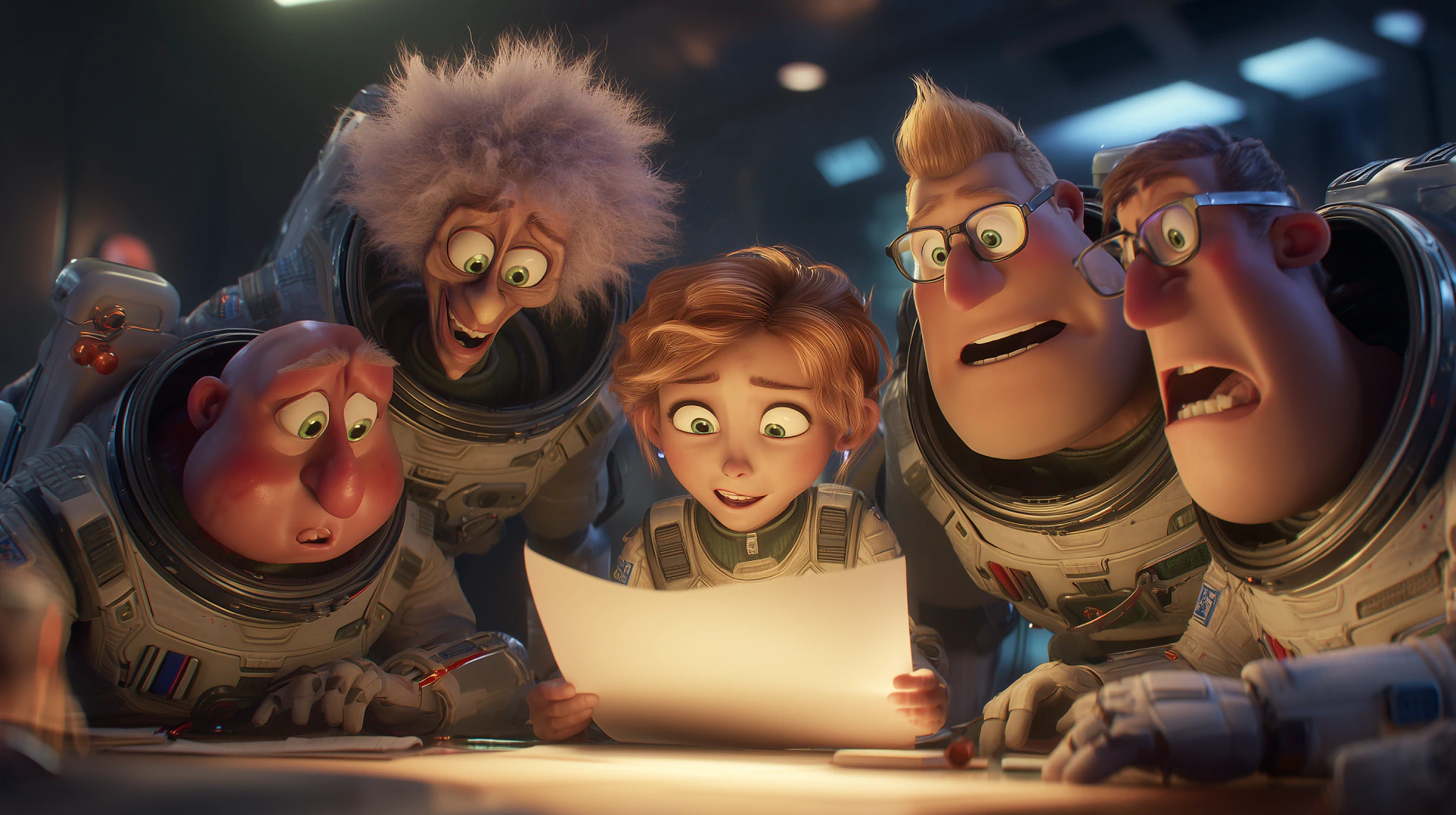
The average creative team is running 10-15 different tools across a single project. And every switch is a place where something gets lost. The brief says one thing, the moodboard interprets it slightly differently, the storyboard drifts a little more, and by the time the editor opens the project file, they're working from their read of someone else's read of the original idea. Nobody made a mistake. The workflow just doesn't carry intent across handoffs.
You can't front-load exploration and alignment when your process is built around exports and context gaps. By the time you catch the drift, production has already committed to the wrong direction.
The Shift
The teams that consistently deliver, on time, on brand, without the 5am panic before a deadline, aren't doing more. They've shifted when the work happens.
Less time reacting to late-stage feedback. More time exploring early, when changes are cheap and creative intent is still intact.
That's what working smarter means. Not speed for its own sake, but clarity, early enough to matter.
The Bottom Line
If your team is constantly putting out fires, running extra revision rounds, and watching bold concepts get diluted by delivery, the problem probably isn't effort. Most teams are working extremely hard.
The problem is where that effort is going.
Working smarter starts with one shift: moving alignment, exploration, and iteration to the front of the process, where they're fast and cheap, instead of leaving them to the back, where they're expensive and stressful.
If your last project felt like this, the "From Concept to Delivery" ebook breaks down the full framework for building a workflow that actually supports smarter creative work.


Maximize your creative potential with AI-powered tools
Maximize your creative potential with AI-powered tools








.png)