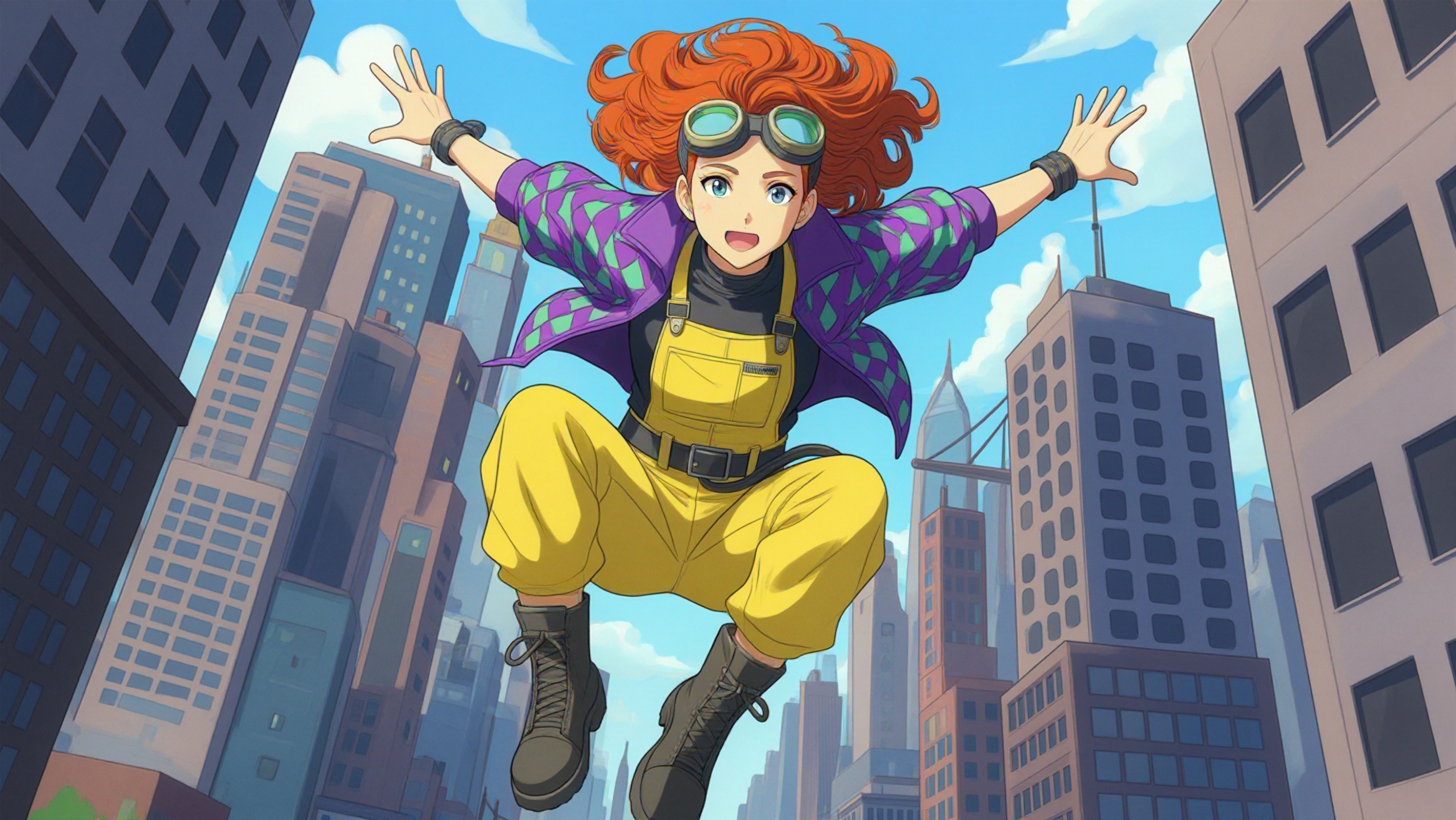

Key Trends for 2026:
- Authentic, imperfect imagery over polished perfection
- AI as creative collaborator, not replacement
- Surreal experimentalism and bold visuals
- Character-consistent photography for brands
- Nostalgic '70s/'80s retro aesthetics
- Organic shapes replacing rigid design
- Hyper-realism for technical applications
AI image generation is shifting away from overly polished, artificial visuals toward authentic, human-centric aesthetics that embrace imperfection and emotional resonance. As AI-generated content floods social feeds and marketing channels, audiences are craving visuals that feel genuine, tactile, and emotionally real.
The defining trend of 2026 isn't just about what AI can create—it's about how creators use AI as a collaborative tool rather than a replacement for human creativity.
From candid phone-like photography to surreal experimentalism and character-consistent storytelling, this year's image trends reflect a fundamental shift: AI is most powerful when it amplifies human vision, not when it tries to replicate perfection.
Whether you're building a brand, creating content, or telling visual stories, understanding these trends means staying relevant in a space where authenticity wins and generic AI outputs get scrolled past.
{{blog-banner-static04}}
AI Image Trends For 2026
Authenticity Over Perfection
The backlash against "too perfect" AI imagery has arrived. Audiences have developed sharp AI detection instincts—spotting synthetic skin textures, impossible lighting, and overly symmetrical compositions instantly.
The response? Creators are pursuing visuals that feel like real moments: light leaks, film grain, natural skin texture, and genuine expressions captured in everyday settings.
This isn't about technical shortcuts. It's about emotional honesty. Images that look like authentic moments captured on a phone outperform pristine, artificial compositions across every engagement metric. Users don't want idealized reality—they want visuals that reflect genuine human experience.
Why it works: Authenticity builds trust. When visuals feel real rather than manufactured, audiences engage longer, share more frequently, and form emotional connections with content.
AI as Co-Creator, Not Replacement
The 2026 mindset treats AI as a powerful collaborator in the creative process, not an automated solution.
Creators generate initial concepts or unique textures with AI, then apply their personal taste, artistic judgment, and manual refinement to ensure the final output feels distinctly human.
This "AI + Human" workflow combines efficiency with authenticity. AI handles the heavy lifting—rapid ideation, exploring variations, generating base assets—while humans add the creative direction, emotional nuance, and brand identity that audiences actually care about.
The most successful creators in 2026 aren't the ones generating hundreds of untouched AI images. They're the ones using AI to accelerate their process while maintaining full creative authority over the final result.
This approach produces content that's both efficient and authentic, leveraging technology without sacrificing the human touch that makes visuals memorable.
Why it works: Collaborative workflows deliver speed without sacrificing quality or originality. Audiences can feel the difference between fully automated content and AI-assisted human creativity.
.jpeg)
Surreal Silliness and Bold Experimentalism
As generative AI tools become more accessible, artists and brands are embracing "surreal silliness"—fantastical, playful imagery with impossible colors, reimagined familiar objects, and bold experimentation that breaks conventional rules.
This trend combines realistic textures with surreal elements. Think photorealistic animals in impossible situations, everyday objects rendered in fantastical environments, or familiar scenes twisted into dreamlike scenarios.
The result feels simultaneously grounded and otherworldly—visually arresting content that stops scrolls and generates shares.
The ease of AI generation encourages experimentation. Creators can test dozens of wild concepts in minutes, pushing creative boundaries without financial risk or production constraints.
This freedom produces visuals that feel fresh, unexpected, and distinctly different from the safe, predictable imagery that dominated previous years.
Why it works: Surreal content stands out in crowded feeds. When everything else looks polished and predictable, bold experimentation captures attention and sparks conversation.
Character-Consistent Photography
One of 2026's most valuable capabilities is generating consistent characters across multiple scenes, angles, and contexts. This advancement transforms how brands build mascots, how creators develop protagonists, and how marketing teams maintain visual identity.
Character consistency solves a critical pain point: maintaining recognizable faces, outfits, and styling across entire campaigns or narratives without reshoots or manual editing.
A character created once can appear in hundreds of scenarios while remaining instantly recognizable—same facial features, same proportions, same visual identity.
This consistency matters for branding and storytelling. Audiences build connections with characters they recognize.
Whether you're developing a brand ambassador, creating episodic content, or building a narrative campaign, character consistency ensures your visuals feel cohesive and professional rather than disjointed and amateur.
Why it works: Recognition builds familiarity, and familiarity builds trust. Consistent characters strengthen brand recall and narrative coherence.
.png)
Retro Aesthetics and Nostalgic Filters
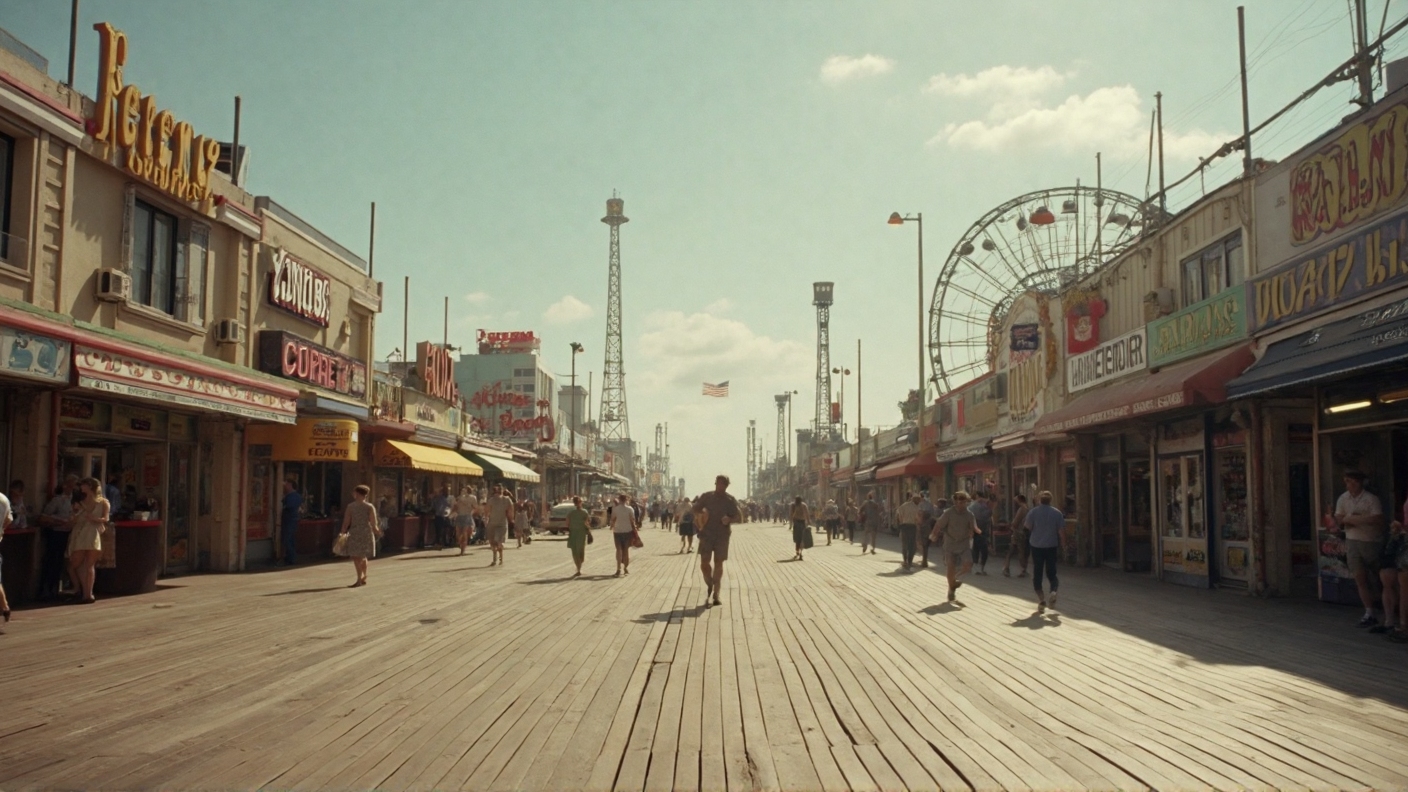
Nostalgia drives cultural engagement in 2026, with '70s and '80s visual languages experiencing renewed relevance.
This goes beyond applying vintage filters—creators study period-specific photography, understanding how Kodak and Fuji film stocks actually behaved, how light was captured on analog media, and how compositions reflected cultural moments.
The trend taps into collective memory. Audiences who lived through these eras recognize authentic period details, while younger viewers discover aesthetics that feel refreshingly different from contemporary digital perfection.
Retro visuals carry emotional weight that modern, clean imagery cannot—they reference shared cultural history and trigger psychological responses tied to specific times and places.
Successfully executed retro aesthetics require research, not just filters. The difference between generic "vintage effect" and authentic period recreation is obvious to audiences, and that authenticity determines whether nostalgia-driven content resonates or feels superficial.
Why it works: Nostalgia triggers powerful emotional responses rooted in cultural memory. Authentic period aesthetics create immediate emotional resonance that transcends visual appeal.
Organic Shapes and Soft Gradients
Design in 2026 abandons rigid grids and sharp edges for flowing, nature-inspired visual systems. This shift is technical and aesthetic: soft-glow gradients replace flat colors, irregular organic shapes replace perfect rectangles, and atmospheric depth replaces flat backgrounds.
The change reflects design maturity. Early AI imagery leaned heavily on geometric precision because algorithms excel at mathematical perfection.
Now, creators intentionally soften these outputs—introducing curves, asymmetry, and visual breathing room that mimics natural forms rather than digital construction.
Anti-grid layouts, layered transparency, and gradient-rich compositions create spatial depth without harsh boundaries. This approach produces interfaces and imagery that feel less "generated" and more thoughtfully composed—visuals with the organic complexity of hand-crafted design.
Why it works: Organic design feels intentional rather than algorithmic. Visual softness signals human curation in an increasingly automated landscape.
Hyper-Realism for High-Fidelity Applications
While authenticity dominates consumer-facing content, hyper-realistic AI generation continues evolving for applications demanding technical precision—architectural visualization, product design, medical imaging, and high-end advertising where photographic accuracy matters more than emotional resonance.
These hyper-real outputs rival professional photography in detail, texture, and lighting accuracy.
The technology now produces images indistinguishable from DSLR photography, with perfect focus, realistic depth of field, accurate material properties, and physically correct lighting that passes expert scrutiny.
Hyper-realism serves specific use cases where imperfection undermines credibility. When presenting architectural concepts, showcasing luxury products, or visualizing complex technical designs, clients need flawless execution that demonstrates attention to detail and professional standards.
Why it works: Certain contexts demand perfection. Hyper-realism delivers technical excellence for applications where "good enough" isn't acceptable.
{{blog-banner-video07}}
Best Recent AI Image & Art Trends
Beyond the major movements shaping 2026, several emerging aesthetics are gaining traction across social platforms and creative communities:
Biophilic Design Integration Nature-integrated imagery that blends indoor and outdoor elements. Think architectural visualizations with plants growing through walls, products photographed in natural environments, or spaces where boundaries between built and natural environments blur.
Ghibli-Inspired Storytelling Soft, hand-drawn aesthetics inspired by Studio Ghibli's warmth and fantasy. This style combines whimsical architecture, magical atmospheres, and emotional storytelling—perfect for character-driven content and mood-rich scenes.
AI-Generated Textures and Patterns Abstract patterns and textures used as design elements in physical products. Creators generate base patterns with AI, then apply them to real objects—packaging, textiles, product surfaces—bridging digital generation and physical application.
Mixed-Media Collage Aesthetics Magazine-style layouts combining multiple images, text, frames, and shapes into cohesive compositions. This editorial approach performs exceptionally well for lifestyle content, travel photography, and fashion storytelling.
These trends share common themes: emotional resonance, authentic storytelling, and visuals that feel crafted rather than automated. The best-performing content in 2026 balances AI efficiency with human creativity.
What is the future of AI image generation?
AI image generation is moving toward deeper integration with creative workflows rather than replacing them. The future isn't about AI creating finished products—it's about AI understanding creative intent, accelerating ideation, and enabling possibilities previously constrained by budget or technical skill.
Context-Aware Generation Future AI will understand narrative context, brand guidelines, and artistic intent without extensive prompting. Tools will interpret creative direction the way experienced collaborators do—grasping the "why" behind requests and suggesting solutions that align with broader creative vision.
Multimodal Creation Image generation will seamlessly integrate with video, audio, and interactive elements. Creating static images becomes the first step in generating full multimedia experiences—where visuals adapt based on context, respond to user interaction, or evolve across platforms.
Personalization at Scale AI will generate variations tailored to individual viewers while maintaining brand consistency. Imagine campaigns that automatically adapt imagery based on viewer demographics, platform context, or cultural preferences—hyper-personalized content that feels authentic rather than generic.
Ethical and Transparent Workflows As AI becomes central to visual creation, transparency becomes non-negotiable. Future tools will clearly indicate AI involvement, respect copyright, address bias, and ensure creators maintain control over outputs and intellectual property.
The shift isn't technological—it's philosophical. AI's future lies in amplifying human creativity, not replacing it. The most powerful tools will enhance human vision while respecting the irreplaceable value of human judgment, taste, and emotional intelligence.
How to use LTX Studio to create AI image trends
LTX Studio integrates the workflows and capabilities needed to create 2026's most relevant image trends—from authentic, imperfect aesthetics to character-consistent storytelling and retro visual styles.
Creating Authentic, Imperfect Imagery
Achieve candid, phone-like aesthetics through strategic prompting and Style Reference. Instead of requesting "professional studio photograph," describe real-world contexts: "candid photo taken on iPhone, natural lighting, slight motion blur, genuine expression."
Use Style Reference to upload actual phone photos, vintage film photography, or images with authentic imperfections.
Adjust the reference intensity slider to control how closely LTX follows the style—higher intensity for faithful reproduction, lower intensity for AI interpretation with your reference as inspiration.
.png)
Building Character-Consistent Visuals
LTX's Elements system solve character consistency challenges. Create your character once through text prompts, photo uploads, or predefined templates, then save it as a Character Element.
Tag that character across every scene using the @ symbol, ensuring the same face, outfit, and styling appear throughout your project.
This workflow is essential for branded content, episodic storytelling, and campaigns requiring recognizable mascots or ambassadors. Characters remain consistent across angles, lighting conditions, and environments without manual intervention or constant re-prompting.
Applying Retro Aesthetics
Generate nostalgic, vintage-style imagery using Style Reference with period-specific images. Upload examples of '70s film photography, '80s color grading, or specific film stock aesthetics.
Add keywords like "retro," "vintage," "film grain," or "Kodak Portra 400" in your Cinematic Inspiration prompts for enhanced period accuracy.
Apply retro styles at the project level for consistent vintage aesthetics, or customize individual scenes and shots with different era-specific treatments. This flexibility lets you mix modern and retro elements strategically throughout your narrative.
Experimenting with Surreal and Organic Styles
LTX's style controls enable bold experimentation. Select preset styles like Comic Book for graphic, illustrative looks, or upload surreal reference images to transfer fantastical aesthetics to your generations.
Combine realistic subject matter with impossible colors, dreamlike environments, or abstract elements through strategic style mixing.
For organic shapes and soft gradients, use prompts emphasizing "flowing," "soft," "organic," and "atmospheric" qualities. Layer these with Style Reference images featuring natural forms, gentle lighting, and warm color palettes.
Collaborative Workflows for Teams
Elements and shared projects ensure team alignment. When project owners save Characters, Objects, and Locations as Elements, every team member accesses the same visual assets.
Updates sync automatically across shared projects, maintaining consistency without manual coordination or constant file transfers.
This workflow supports the "AI + Human" collaborative approach—one team member generates base concepts with AI, another refines styling and composition, while creative directors make final adjustments ensuring output aligns with brand vision.
From Image to Full Motion
LTX's image-to-video capabilities extend static trends into dynamic content. Generate trend-aligned images in the Gen Space, save them as Elements, then add them to your Storyboard to create motion.
Use Motion Prompts to direct how imagery comes alive—subtle movements for authentic aesthetics, bold animation for surreal content, or cinematic camera moves for polished productions.
This integration means trend-relevant imagery doesn't stop at static posts. The same authentic, character-consistent, or retro-styled visuals become scroll-stopping video content across TikTok, Instagram Reels, and YouTube Shorts.
Creating Content That Resonates
AI image trends in 2026 reflect a fundamental truth: audiences value authenticity over perfection, creativity over automation, and human touch over technical prowess.
The brands and creators winning attention aren't those generating the most AI content—they're those using AI strategically to amplify genuinely creative vision.
Whether you're building character-driven narratives, crafting authentic brand content, or experimenting with bold visual styles, success comes from understanding that AI is a tool, not a solution.
Use it to accelerate ideation, explore possibilities, and overcome technical constraints—but never let it replace the creative judgment and emotional intelligence that make visuals genuinely engaging.
The future of AI imagery isn't about generating more content. It's about creating better content—visuals that stop scrolls, spark emotions, and tell stories that resonate long after the initial impression fades.
Start creating trend-aligned content with LTX Studio today.
AI Image Trend FAQs


Maximize your creative potential with AI-powered tools
Maximize your creative potential with AI-powered tools






.png)