.jpeg)

AI is transforming fashion marketing by enabling brands to create professional photos and videos without traditional photoshoots. From generating diverse model imagery to producing dynamic video content, AI tools can reduce production costs by up to 90% while accelerating time to market by 10x. This guide covers how fashion brands use AI for visual content creation and how video-first platforms can streamline your entire creative workflow.
What is AI in the fashion industry?
AI in fashion refers to machine learning technologies that help brands create, optimize, and scale visual content. Instead of booking studios, hiring models, and coordinating production crews, fashion companies now use AI to generate photorealistic images and videos of their products.
The impact is significant. McKinsey estimates that generative AI could boost operating profits in the fashion, apparel, and luxury sectors by up to $275 billion in the next three to five years.
Here's what AI enables fashion brands to do:
Content Creation
- Generate professional product photography from simple flat-lay images
- Create diverse model portfolios without physical photoshoots
- Produce video content that shows how garments move and fit
Marketing Optimization
- Test multiple backgrounds, poses, and styling options instantly
- Create location-specific content without travel costs
- Scale campaigns across all channels simultaneously
Personalization
- Show products on models that match target audience demographics
- Adapt visual content for different markets and platforms
- Deliver styling recommendations based on customer preferences
The shift from traditional to AI-powered fashion content creation looks like this:
How to use AI in fashion?
Fashion brands apply AI across their entire content workflow, from initial concept to final campaign execution. The key is understanding which AI tools solve which specific challenges.
{{blog-banner-video05}}
Core AI applications in fashion content
Product visualization Transform basic product images into professional marketing assets. Upload a flat-lay photo of a dress, and AI places it on a model in a styled setting. This addresses one of fashion eCommerce's biggest challenges—showing customers how products actually look when worn.
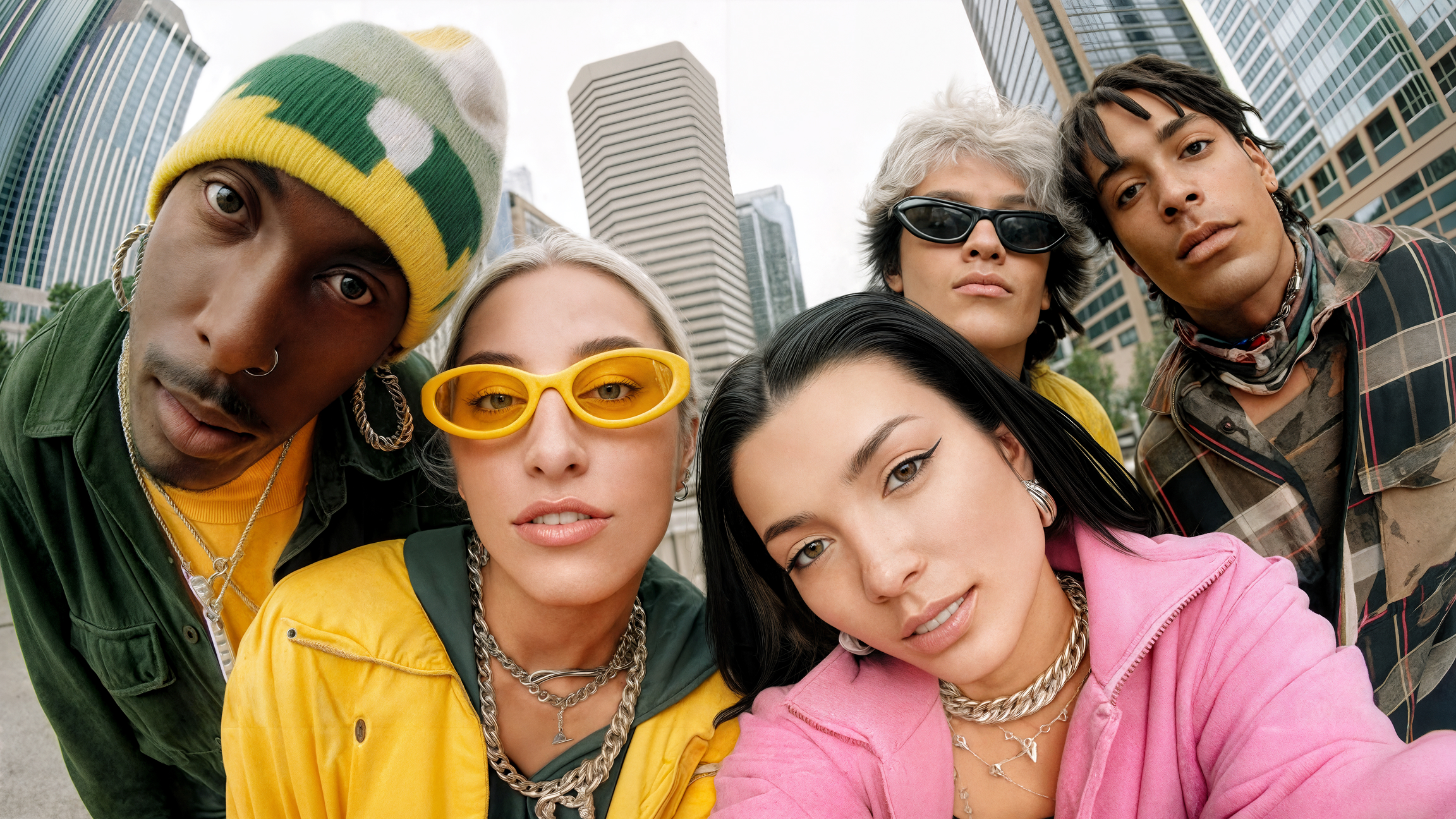
Diverse model representation AI-generated models let brands feature various looks and styles without hiring dozens of models, providing access to diverse AI model portfolios spanning different ages, ethnicities, and body types. This isn't just about cost savings—it's about authentic representation that resonates with broader audiences.
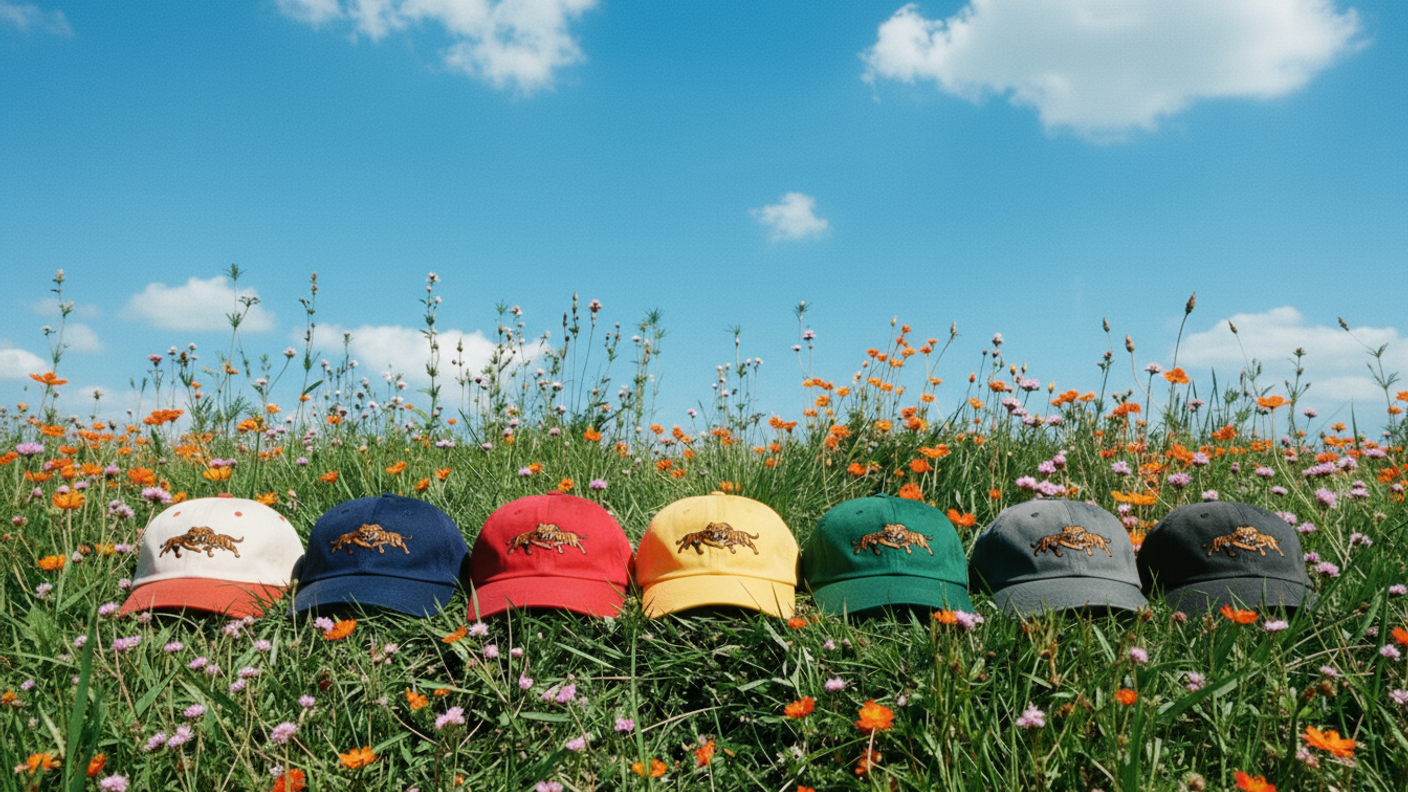
Background and scene generation Change a product shot's entire context with AI-powered background tools. Show summer dresses on a beach, winter coats on city streets, or activewear in a gym—all generated digitally. No location scouts, no travel budgets.
Content multiplication Generate multiple variations of the same base image. One product photo becomes dozens of different shots with varied models, poses, backgrounds, and styling. This addresses fashion's constant need for fresh content across multiple channels.
Practical workflow integration
Here's how fashion brands typically integrate AI into their content pipeline:
- Initial capture - Photograph products on mannequins or as flat lays using a smartphone or basic camera
- AI processing - Upload images to AI platforms that generate on-model versions with selected attributes
- Customization - Specify model characteristics, backgrounds, poses, and styling details through prompts
- Refinement - Review generated options, select the best versions, and make any necessary adjustments
- Deployment - Export final assets for eCommerce sites, social media, email campaigns, and advertising
The quality of your source material directly impacts AI results. As one fashion photography expert notes in their hands-on guide: "Good lighting matters. The garment should be easy to see. I make sure fabric textures and colors come through. Multiple angles help. I shoot front, back, and sides. The more the AI sees, the better."
Create Professional Fashion Photography with AI
AI photo generation has become the primary way fashion brands create product imagery, especially for eCommerce and digital marketing.
How AI fashion photography works
AI fashion photo tools use machine learning models trained on millions of fashion images. When you upload a product photo, the system:
- Analyzes the garment's shape, texture, color, and style
- Generates a realistic human model based on your specifications
- Applies the garment to the model with accurate fit and drape
- Places the result in your chosen background or scene
- Adjusts lighting, shadows, and reflections for photorealism
Key features of AI fashion photo platforms
Model libraries Access pre-built portfolios of AI-generated models across diverse demographics. Most platforms offer hundreds of model options, letting you select by age, gender, ethnicity, body type, and style aesthetic.
Flat-lay to on-model transformation This is the most popular AI fashion photo use case. Take a simple product shot on a white background, and the AI places it on a model in a styled pose. No mannequins, no physical styling required.
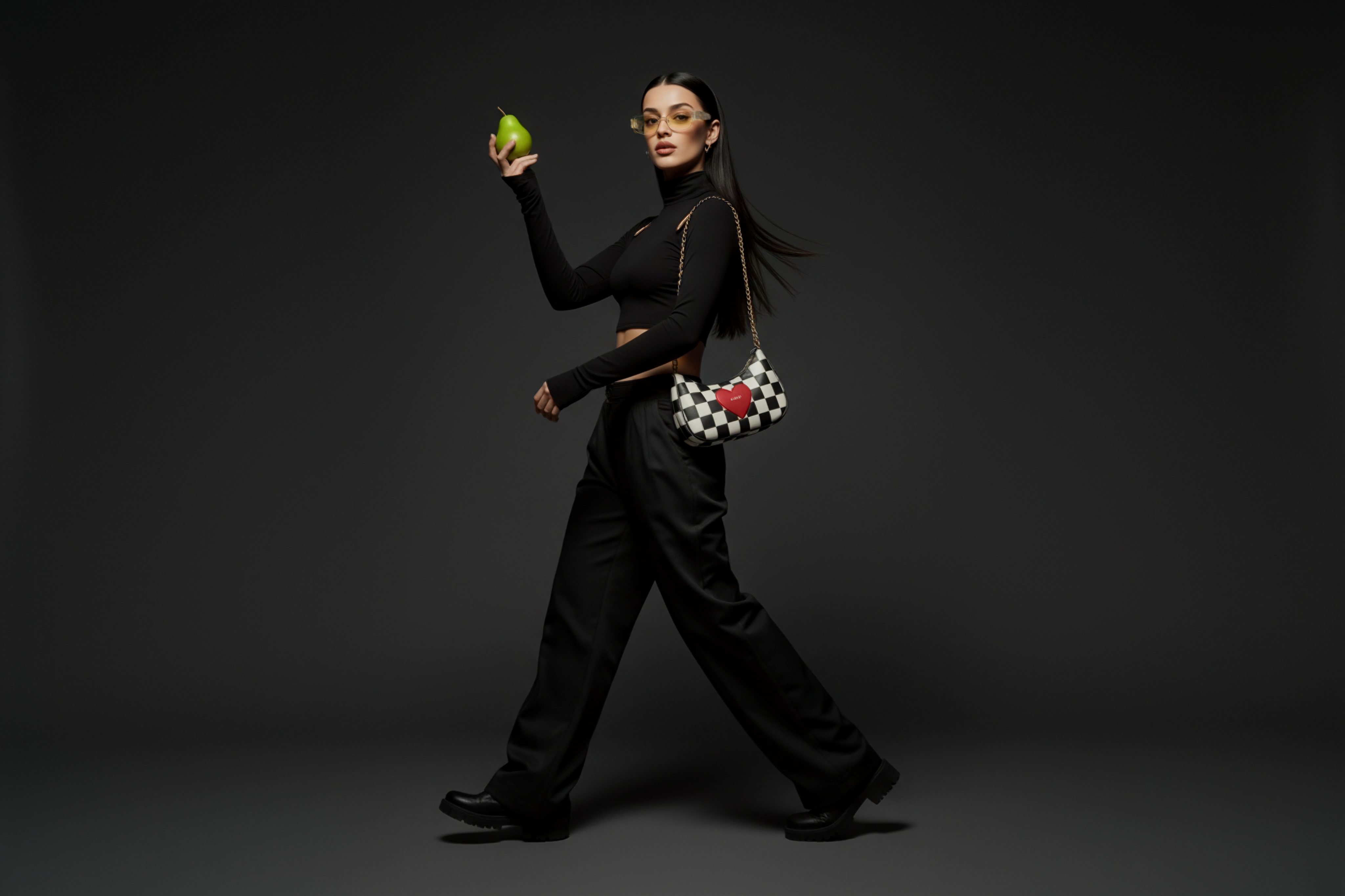
Prompt-based generation Describe exactly what you want: "Studio fashion photograph of a young woman wearing a patchwork pleated mini skirt and white blouse, full body, minimal background, soft shadow lighting." The AI interprets your prompt and generates matching images.
Background customization Replace or generate new backgrounds instantly. Swap a plain studio backdrop for urban streets, natural landscapes, or stylized editorial settings. Each background option creates a different mood and appeals to different customer segments.
{{blog-banner-video03}}
Real results from AI fashion photography
Fashion brands using AI photo generation report measurable business impact:
- 90% reduction in visual production costs compared to traditional photoshoots
- 10x faster time to market for new product launches
- 10% increase in conversion rates from more engaging product imagery
- 12% higher average order value when customers see styled, contextual product photos
- 30% improvement in ad click-through rates using AI-generated fashion content
Getting professional results
The quality of AI-generated fashion photos depends heavily on your inputs and specifications. Follow these guidelines for best results:
Source image quality
- Use high-resolution photos (minimum 1080px)
- Ensure good, even lighting without harsh shadows
- Capture the entire garment clearly visible in frame
- Shoot multiple angles (front, back, detail shots)
- Use square (1:1) aspect ratios when possible
Effective prompting Be specific about what you want. Instead of "woman in dress," write: "25-year-old European woman wearing [product] in a minimalist studio setting, natural daylight, full body shot, neutral expression."
Include details about:
- Model demographics (age, gender, ethnicity)
- Pose and positioning
- Background and setting
- Lighting style
- Camera angle or type
- Overall aesthetic (editorial, commercial, lifestyle)
Iteration and selection AI generates multiple options per request. Expect to review 5-10 images to find your best shots. The more you generate, the more options you have for selecting images that perfectly match your brand vision.
Bring Fashion Content to Life with AI Video
While AI photos revolutionized product imagery, AI video is transforming how fashion brands showcase their collections. Video content outperforms static images across every marketing metric—engagement, conversion, and retention.
Why fashion brands need video content
The data is clear: video drives results. According to industry research, fashion brands using video content see higher engagement rates, improved customer confidence, and reduced return rates because customers can see how products move, fit, and feel.
Video addresses fashion eCommerce's fundamental challenge—helping customers understand how a garment looks in motion, how fabric flows, and how pieces fit on real bodies. Static photos can't convey these critical details.
Types of AI-generated fashion videos
Product animation Transform static product photos into short video clips showing garments from multiple angles. The AI generates smooth rotations, zoom effects, and dynamic movements that highlight key product features.
Model animations Bring AI-generated fashion photos to life. A static image of a model becomes a short video clip with subtle movements—a shift in pose, a turn of the head, or fabric flowing in the wind. These micro-animations make content feel more engaging without the cost of video production.
Styled lookbook videos Combine multiple products into cohesive video presentations. Show how pieces work together in a collection, demonstrate styling options, or create mood-focused content that tells a brand story.
Social-first video formats Generate videos optimized for Instagram Reels, TikTok, and YouTube Shorts. AI tools can adapt aspect ratios, add text overlays, and create fast-paced content that performs well on social platforms.
The video production challenge (and AI solution)
Traditional fashion video production is even more expensive and complex than photography:
- Production costs typically range from $10,000-$100,000+ per shoot
- Requires videographers, lighting specialists, models, stylists, and location
- Takes weeks to schedule, shoot, and edit
- Difficult to make changes once footage is captured
- Limited to what you can physically produce in one shoot
AI video generation eliminates these barriers. Fashion brands can now create professional video content with:
- Minimal upfront cost - Generate videos from existing product photos
- Instant turnaround - Create video content in hours, not weeks
- Unlimited variations - Test different approaches without reshooting
- Easy updates - Refresh content as needed without new production
- Scale across channels - Produce video for every product and platform
How to use LTX to optimize your AI fashion workflow
Video-first platforms like LTX are designed for brands that need to scale content production while maintaining creative control. Rather than just generating isolated images or clips, these platforms let you plan, create, and refine complete visual narratives.
Why video-first platforms matter for fashion
Fashion content isn't just about individual product shots anymore. Brands need cohesive campaigns that tell stories, showcase collections, and engage audiences across multiple touchpoints. A video-first approach lets you:
- Plan entire campaigns with consistent visual style
- Create content that works across all marketing channels
- Maintain brand identity while scaling production
- Iterate quickly based on performance data
Key capabilities for fashion content creation
When evaluating video platforms for fashion content, look for:
Storyboarding and planning The ability to map out your entire campaign before production. Visualize how products will be presented, plan scene transitions, and ensure consistency across all content pieces.
Character and model generation Tools that let you create or select AI models that align with your brand identity and target audience. Consistency matters—customers should recognize your brand's visual aesthetic across all content.
Scene and background control The power to place products in diverse settings without location shooting. Urban environments, natural landscapes, editorial studios—whatever matches your campaign needs.
Video editing and refinement Post-generation controls to adjust timing, add effects, incorporate text or graphics, and polish your final output. Raw AI generation is just the starting point; proper editing makes content truly professional.
General workflow approach
While specific platform features vary, an effective AI fashion video workflow typically includes:
- Concept development - Define your campaign goals, target audience, and desired visual style
- Asset preparation - Gather your product photos, ensuring quality inputs for AI processing
- Generation - Use AI tools to create initial video content based on your specifications
- Review and iteration - Assess generated content, select the best options, and refine as needed
- Final polish - Add branding elements, optimize for specific platforms, and prepare for distribution
The key advantage of video-first platforms is the ability to see your entire campaign come together cohesively, rather than managing dozens of disconnected assets.
Integration with your existing workflow
Modern AI platforms don't replace your entire content workflow—they augment it. Most fashion brands use AI video tools alongside:
- Traditional photography for hero images and flagship campaigns
- User-generated content for social proof and community building
- Professional video for major launches and brand films
- AI-generated content for scaled production, testing, and ongoing marketing
The goal is efficiency at scale while preserving quality and brand identity.
{{blog-banner-video01}}
Moving forward with AI fashion content
AI photo and video generation has moved from experimental to essential for fashion brands. The technology now delivers professional-quality results that perform as well as—and often better than—traditional content.
Start by identifying your biggest content bottlenecks. Where do you need more product imagery? Which marketing channels lack fresh content? What campaigns are delayed due to production constraints?
Then test AI tools with a focused use case. Generate AI photos for one product line, create video content for a single campaign, or produce social media content for a specific platform. Measure the results, refine your approach, and scale what works.
The fashion brands winning with AI aren't necessarily the ones with the biggest budgets—they're the ones willing to experiment, learn, and adapt their workflows to leverage new capabilities effectively.


Maximize your creative potential with AI-powered tools
Maximize your creative potential with AI-powered tools





.jpeg&description=Discover how AI transforms fashion marketing with professional photos and videos—no photoshoots required.)


.png)