No color correction. Temp music. Missing effects. Awkward transitions. The rough cut assembles footage into story order without polish, to see if the film works before investing in refinement.
What is a rough cut and why do filmmakers make unfinished versions? Let’s explore the editing stage that tests narrative structure.
{{blog-banner-video02}}
What is a Rough Cut?
A rough cut is the first complete assembly of a film showing all scenes in sequence without final polish or refinement. This initial edit focuses on story flow, pacing and structure rather than technical perfection. Rough cuts reveal if the footage supports the intended narrative.
Rough cuts matter because they expose structural problems before expensive finishing work begins. Directors and editors see if the story works, if pacing drags, if scenes should be reordered or cut entirely. Identifying these issues early saves time and money.
The rough cut stage is where you experiment. Editors try different scene orders, pacing variations and structural approaches. This is where changes are still easy before locked picture and final sound design.
Rough Cut Meaning
The rough cut meaning is an unfinished edit that serves as the structural blueprint for the final film. While technically complete with all intended scenes present, rough cuts lack the polish that distinguishes finished films from assembled footage.
Now you know what a rough cut is, it’s functional not presentable. Temporary sound, placeholder VFX, rough transitions and inconsistent color are all part of this stage. The focus is on narrative effectiveness not technical execution.
Rough cuts are different from assembly cuts which are even less refined first passes. Rough cuts are deliberate editing choices tested for effectiveness. They’re closer to finished structure than raw assemblies but far from final picture lock.
What is a Rough Cut in Film?
Film rough cuts serve a purpose in post-production workflows, as critical evaluation checkpoints.
Story evaluation happens during rough cut review. Producers, directors and editors watch the whole narrative to see if it works. Does the plot flow logically? Are character arcs satisfying? Does the pacing keep you engaged?
Pacing adjustments come from rough cut screenings. Scenes that felt essential during shooting might drag in context. Moments that need more time become apparent. Editors adjust duration to find the right rhythm before committing to final timing.
Structural changes happen at the rough cut stage. Scene reordering, sequence elimination or rearranged chronology tests different narrative options. Film editing techniques explored during rough cut determine the final structure.
Test screenings often use rough cuts to gather audience feedback. While not polished, rough cuts are complete enough to see if the story works. Early feedback identifies problems when solutions are still manageable.
Music and sound are temp. Editors use temp music from existing tracks to suggest mood without original scores. Dialogue is unrefined. Sound effects are basic placeholders. Audio is addressed after picture lock.
Visual effects are rough composites or reference markers. Complex CGI shots are low-res versions of what will be. Editors work around incomplete effects and focus on surrounding footage.
Color is uncorrected and shows raw camera footage. Rough cuts have unmatched exposure and color temperature. Cinematographers and colorists address this in finishing after structure is locked.
Rough cut to fine cut is incremental refinement. Once structure is locked, editors polish transitions, timing and technical details. Fine cut is near-final before final mastering.
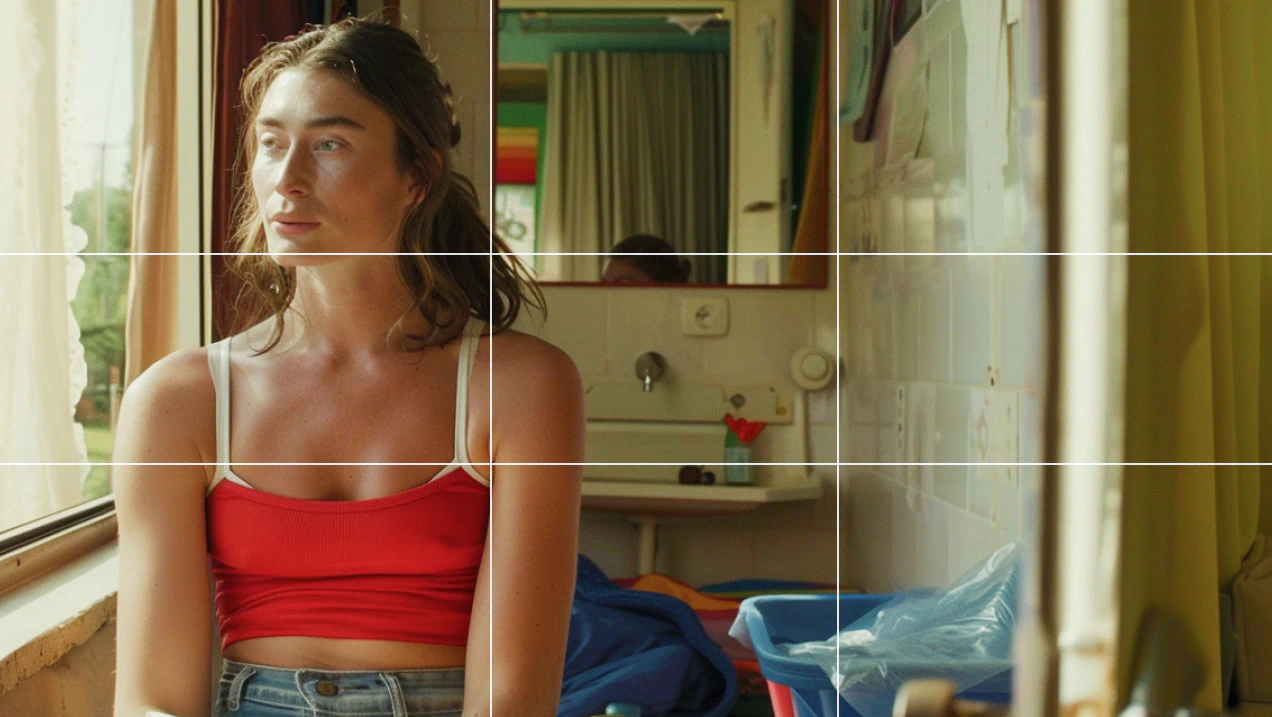
Creating Rough Cut Concepts with LTX Studio
LTX Studio’s editing capabilities let you assemble rough cut sequences to test narrative flow before final production. The video editor provides timeline tools to arrange generated scenes to try different structural approaches without reshooting.
Generate complete scene sequences using text-to-video capabilities and then assemble them to test story progression. Reorder sequences, adjust pacing and remove unnecessary moments to find optimal narrative structure during development not post-production.
Use rough cut workflows during pre-production to visualize how the finished film will flow. Create animatics that are moving rough cuts showing scene progression and pacing. Test these with collaborators when changes are easiest.
The storyboard tools help plan rough cut structure before generation. Visualize scene order and transitions to determine the best arrangement. Export these plans to guide both generation and assembly processes.
Build pitch presentations using rough cut concepts to demonstrate narrative flow to investors. Show how the story progresses scene-by-scene without requiring finished production quality. Rough visualizations communicate the vision during development.
Conclusion
Rough cuts turn assembled footage into testable narratives to see if the stories work before final polish. This critical editing stage identifies structural problems when solutions are still manageable, saving resources and improving the final film.
With LTX Studio, creators can explore rough cut concepts during development, testing narrative structures and pacing before production begins.


Maximize your creative potential with AI-powered tools
Maximize your creative potential with AI-powered tools


December 8, 2025



.png)