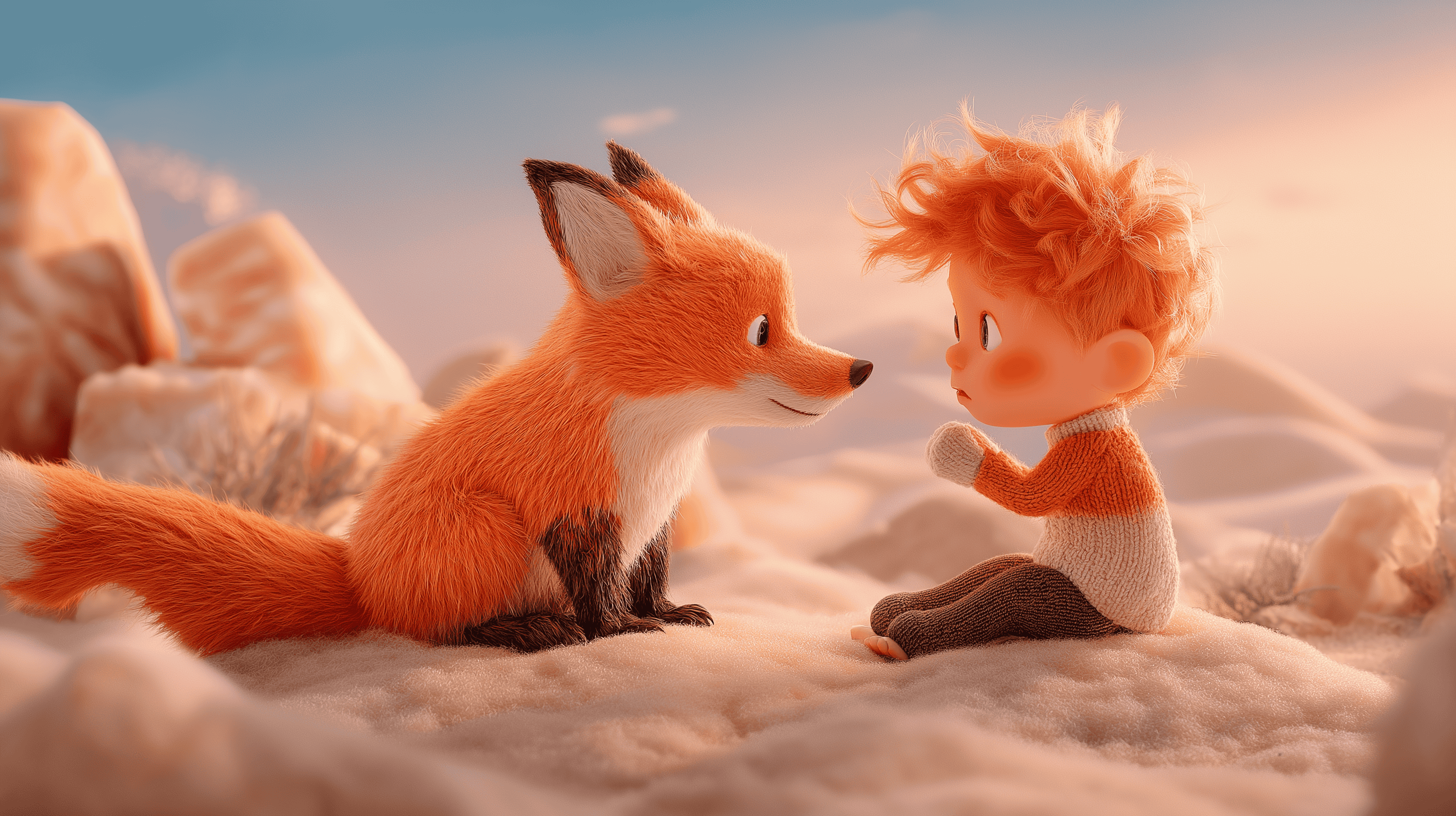

- LTX Studio goes beyond image generation as the best Midjourney alternative — connecting images directly to video production, storyboarding, and brand-consistent workflows in one platform
- For free options, Google ImageFX and Leonardo.ai both deliver strong quality at no cost.
Midjourney is one of the most established names in AI image generation, but it's no longer the only serious option — and for many professional teams, it's no longer the best fit.
No free trial, images that default to a public gallery, video generation locked to higher-tier plans, and no path from images into a wider production workflow are all pushing creative teams to explore alternatives.
This guide covers the best Midjourney alternatives in 2026, starting with the tools best suited for professional and enterprise workflows and covering the strongest options at every price point.

What is Midjourney?
Midjourney is an AI image and video generation tool available via a dedicated web app as well as through Discord.
It produces high-quality, stylized imagery and has video generation on its higher-tier plans. There is no free trial — plans run from $10 per month up to $120 per month, with video generation and unlimited relaxed-mode generations requiring the Standard plan or above.
All images are publicly visible by default — keeping your work private requires the Pro plan at $60 per month. It remains a strong standalone generation tool, but it is purpose-built for image and video output rather than integrated creative production.
Best Midjourney Alternatives To Try In 2026
1. LTX Studio
LTX Studio is the strongest Midjourney alternative for professional and enterprise creative teams, and the distinction is straightforward: where Midjourney stops at an image or video output, LTX Studio takes you the rest of the way through production.
The platform integrates image generation, video production, storyboarding, animatics, and team collaboration in a single workspace. You are not exporting an asset to a separate tool to continue working.
The entire pipeline — from initial concept image through to a finished video asset — runs inside LTX Studio.
Image generation
LTX Studio offers three image generation models to match different creative needs. FLUX.2 Pro delivers high-fidelity output with precise prompt adherence for production-ready visuals.
Nano Banana Pro is optimized for speed and iteration, making it well suited to early-stage concepting and rapid variation work. Z-Image rounds out the offering with strong stylistic range for more artistic and experimental directions.
Having three distinct models inside one platform means you can match the tool to the task without switching services mid-workflow.

Brand consistency at scale
For enterprise teams, Brand Kit is the feature that separates LTX Studio from every other tool on this list. Brand Kits store your characters, objects, logos, fonts, and visual styles as reusable elements that carry across any project.
Every image and video generated within a Brand Kit pulls from those elements automatically, meaning a global team producing hundreds of assets produces content that looks like it came from the same campaign.
From image to video without switching tools
The most significant differentiator is workflow continuity. From a generated image, you can move directly into the AI storyboard generator, build an animatic with synchronized audio, generate video sequences, and export a pitch deck — all within the same project. Consistent AI characters carry through from image generation into video, maintaining the same face, style, and visual identity across every scene.
For teams producing ad campaigns, pre-visualization work, or branded content at volume, this is a fundamentally different working model than a standalone generator.
Recent additions to the platform include Flows — a visual, node-based way to chain prompt, image, video, and upscaling steps and run them in one click — plus Seedance 2.0, Retake for targeted shot refinement, and video upscaling to 4K and 8K. The LTX Studio features overview covers the current capability set in full.
Best for: Creative teams, agencies, brand studios, and enterprise teams that need image generation as part of a full production workflow rather than a standalone output.
2. Adobe Firefly
Adobe Firefly is the natural choice for teams already inside the Adobe ecosystem. It generates images, vectors, and video from text prompts and integrates directly into Photoshop, Illustrator, and Premiere Pro.
Firefly is trained exclusively on licensed content, which addresses IP and copyright concerns that come up in enterprise procurement conversations.
Best for: Teams with existing Adobe Creative Cloud workflows and IP compliance requirements.
3. Leonardo.ai
Leonardo.ai offers a strong free tier and supports multiple AI models including FLUX, making it one of the most accessible options for individual creators and small teams. Its Canvas Editor gives direct control over composition and editing, and it works well across commercial design tasks.
Best for: Individual creators, digital artists, and small teams looking for a capable free option.
4. Google ImageFX
Google ImageFX runs on Imagen 4 and Imagen 4 Ultra, producing photorealistic output that competes with paid tools — with generous daily limits at no cost. Images generate at up to 2K resolution, and a speed-optimized variant makes iteration fast. All generated images include SynthID watermarking. For teams that need high-quality image generation without a budget commitment, it is hard to match.
Best for: Anyone needing fast, high-resolution photorealistic image generation for free.
5. ChatGPT Images
ChatGPT's built-in image generation, powered by GPT-4o, has become one of the most widely used image tools — not because it competes on technical depth with specialist generators, but because it lives inside the conversational workflow most teams already use. You generate images, describe what needs changing in plain language, and iterate through a back-and-forth dialogue without rewriting prompts from scratch.
GPT-4o image generation has a genuine edge in two areas: text rendering inside images and handling scenes with many distinct objects. For marketers creating social graphics, promotional posters, or branded visuals with copy integrated, the text accuracy is more reliable than most alternatives. Access is available across ChatGPT's paid subscription tiers.
Best for: Teams who want image generation inside their existing ChatGPT workflow, anyone creating visuals with readable text elements, and iterative generation through conversation rather than structured prompt engineering.
6. Ideogram
Ideogram solves the one problem most AI image generators still handle poorly: text inside images. If you need logos, posters, signage, or any creative that includes readable text, Ideogram is the most reliable option in 2026. The free tier offers around 25 images per day.
Best for: Designers and marketers who need accurate, readable text rendered inside generated images.
Conclusion
Midjourney remains a strong tool for high-quality image and video generation, but it is built for individual creative output rather than team-based production workflows.
No free access, public images by default, and no integrated path to storyboarding, brand management, or collaborative delivery all add friction for professional teams.
The strongest alternatives in 2026 serve distinct needs. For teams inside Adobe's ecosystem, Firefly is the most integrated path. For individual creators on a budget, Google ImageFX and Leonardo.ai both offer substantial free access. For teams that want image generation inside the tool they already have open, ChatGPT Images is the lowest-friction entry point. For text-heavy creative work, Ideogram remains the most reliable option.
For professional teams that need image generation to connect directly to video production, brand consistency at scale, and collaborative workflows, LTX Studio is in a different category.
It is not a Midjourney replacement. It is what you move to when a standalone generator is no longer enough.


Maximize your creative potential with AI-powered tools
Maximize your creative potential with AI-powered tools






.png)